Support independent journalism, free from the trades and other publications that are part of the tinsel town machine.
For 12 years, Showbiz411.com has been covering Hollywood, Broadway, the music business and the business of celebrity. Ads are our main source of funding, but contributions (not tax exempt) from readers who enjoy the scoops, exclusives, and fact based reports are always welcome and very appreciated. To inquire about ads, email us at showbiz411@gmail.com.
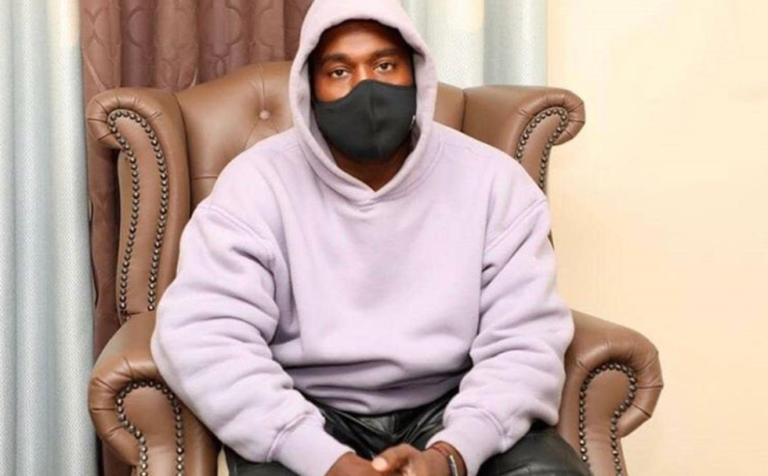
Kanye West made remarks after last night’s Hollywood premiere of “Jeen Yuhs< the three part Netflix documentary about him, produced by Future.
With many of his friends and celebrities in the crowd, Kanye– rather, Ye — had a lot to say about his philosophies.
At around 4:50 in the below video, Ye claims: “Larry Jackson offered me $100 million put “Donda” on Apple but I ain’t never got a meeting with Tim Cook.”
Jackson is Global Creative Director for Apple. Cook runs the place. It’s likely that Ye overstated the offer by around $100 million. His album, “Donda,” is on iTunes and sells for $14.99. So what is he talking about? He does not know.
Guests at the screening included Taraji P. Henson, Usher, and DaBaby. Ye defended the latter, who has been roundly criticized for making homophobic comments at his shows.
Last month “Jeen- Yus” premiered at Sundance. Kanye demanded final cut of the film that he doesn’t own. He didn’t get it. The directors of the doc told the New York Times he didn’t even watch it. “It wasn’t his process.” He sent underlings to take a look.
Yesterday Kanye, who suffers from bipolar disorder, posted to Instagram in all capital letters:
“THE WORLD IS RACIST SEXIST HOMOPHOBIC AND CRAZY PHOBIC AT OUR CORE ITS CHEAP AND DISMISSIVE TO SAY IM OFF MY MEDS ANYTIME I SPEAK UP PHOBIA IN THIS SENSE DOESN’T MEAN BEING AFRAID OF IT MEANS NOT GIVING POWER TO LETS BE MORE CONSCIOUS AND NOT WRITE EACH OTHER OFF SO EASILY”
In the video below, Kanye also says he won’t be the “house” N word.
Now we know why Prince Charles was learning Italian.
Josh O’Connor, who won the Emmy Award playing Prince Charles in “The Crown,” is going to star in Luca Guadagnino’s next film.
Last fall, O’Connor told me was living in New York’s East Village and learning Italian. I thought he’d be in the next Paolo Sorrentino film.
But it turns out he’ll play the former flame of Zendaya in a movie about a tennis player and her romantic relationships. Mike Faist, of “West Side Story,” is the third part of the triangle.
Called “Challengers” the film is project is being produced by Amy Pascal as well as Guadagnino and Zendaya. The script, by playwright-singer-author Justin Kuritzkes, was featured on the 2021 Black List, which keeps tracks of the hottest unproduced screenplays.
O’Connor opens next month in “Mothering Sundays” from Sony Pictures Classics, in which he is fully on display. (It’s actually a very good movie, but does have lots of sexy time.)
Pascal, of course, is already in business with Zendaya. The hot young star appears in Pascal’s “Spider Man” movies. They’re taking this one to MGM, which has never been able to merge with Amazon Studios. They’ve also shown Oscar deprivation, not being able to pull of any action for “Respect” or “House of Gucci.” Maybe they’ll get a new in house team before “Challengers” is up for its Oscar match.
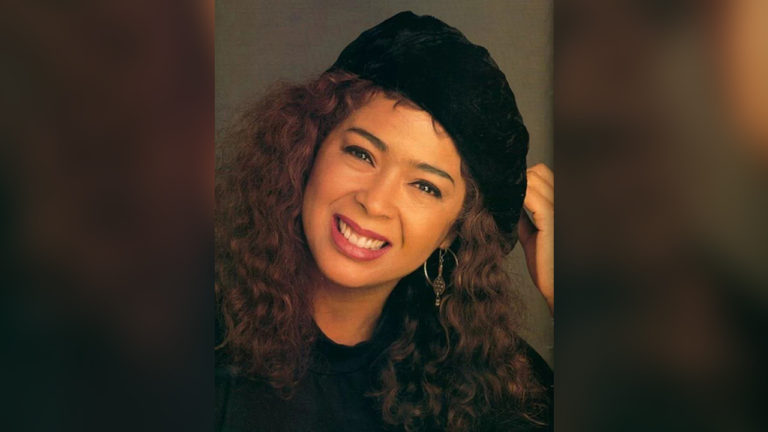
We’re all thinking about Whitney Houston this weekend. She died 10 years ago on Saturday, February 11th, 2012 in her hotel room just a couple of hours before the pre-Grammy gala downstairs at the Beverly Hilton.
I was staying in the Hilton on the fifth floor just one floor above Whitney’s room. In the afternoon I’d taken friends to watch Ray Davies of the Kinks rehearse for Clive Davis’s dinner in the ballroom. (He was great.) The next performer set for rehearsal was Tony Bennett. I decided to pass, it was a good moment for a jet lag nap before the dinner.
Not long after I’d gotten to my room I heard sirens outside the Hilton. I called downstairs and asked the manager what happened. He replied, “I’m sorry to tell you, but Whitney Houston has just died on the floor below you.”
What happened next was chaos. I jumped into the clothes I’d planned to wear to the dinner and ran downstairs. The police and fire departments were coming in the front door. So were the guests for the dinner. The head of security gave me an all access pass so I could follow him around, which I did. Everyone was in shock.
As the time ticked by and the ballroom was filling up, Whitney was still in the hotel. It took time to process the paperwork. Then Bobbi Kristina had a breakdown had to be removed on a gurney. I watched that. But I also watched as the vultures descended. In particular there was one hanger-on who later it turned out was more involved than anyone thought. He was the kind of Hollywood parasite who makes money off of tragedy. I’ll leave it at that.
This whole debacle could have been avoided. But by February 11, 2012 she was surrounded by these vultures, all of whom were living off of her. Some of them still are even though she’s long gone. The only person who stood up for Whitney was Clive Davis, but even he had limited power to protect her from the villains she allowed to run her world while she was vulnerable. Everyone else depended on Whitney for their livelihood, and they would not say no to her.
I saw this way back in June 1990 when I went out to Whitney’s modern mansion in Mendham, New Jersey to do an interview. Her own driver picked me up in a stretch Mercedes. When I arrived in this bucolic setting, the place will filled with guests, visitors, family and so on. There was no peace. The parents, the brothers, the sisters-in-law, staff were all bustling about. And this was a Saturday.
A lot of people wonder about Robyn Crawford. She was there, too, dressed in a basketball uniform and bouncing a ball. It was clear that Cissy and John Houston, Whitney’s parents, were uncomfortable with her presence. I’d never met her before, but Robyn was open and pleasant. Whitney was more relaxed with her around. I remember she and Whitney taking me on a tour of the house, looking at a recording studio and an awards case.
During lunch we sat around and watched a rerun of Kim Wayans hilariously imitating Oprah on “In Living Color.” I talked to John and Cissy about their days on the road with Aretha Franklin. John told me about not being able to stay in hotels in the south, and getting hassled by the police, and so on. It was on the surface a very benign experience.
Privately, though, it was very different. During our alone time, Whitney– who was so young, 27 –told me that an affair her father had had when she was 16 had rocked her world. She was still not over it. We took a walk around her Olympic sized pool — which had an enormous W painted on its floor. She told me she’d had a romance “with the brother of a big star”– meaning Jermaine Jackson.
When it was time to go, Whitney walked me out to my limo ride home. There had been a lot of laughter all day. All of a sudden, I thought of a final question. I said, and I can remember this like it was yesterday, I said, “You don’t play any instruments, do you?” She shook her head and said, with a laugh, I remember her head going back because she was cracking herself up: “I’m thinking of taking up the drums. If they thought I was gay before, what will they say now?”
I reciprocated her laugh, but I was gobsmacked. We had not addressed this rumor all day. Robyn’s presence raised questions, but there was no way I could ask them in that setting. And yet, there it was. When this exchange appeared in my story, it raised a ruckus, of course. It caused a temporary, but not permanent, chill between us.
We remained friendly on and off for two more decades. But with Bobby Brown on the scene, the situation had become impossible. At the 2000 Grammys I was backstage when Whitney had a meltdown and was refusing to go on stage. She was set to perform, but she and Bobby were having a massive row. Eventually she did go on. After the show we all headed to Mel’s Diner on the Sunset strip. Whitney, who was calmer now, urged me to talk to Bobby. He was completely out of control, standing on the tables, barking out declarations.
Whitney was soon to sign a $100 million deal with Arista Records thanks to L.A. Reid. Bobby brought me in close and announced, “L.A. Reid is signing me to a one hundred and twenty five million deal!” The point was, it was bigger than Whitney’s deal. He was high as a kite. About a year and a half later, I gasped when Whitney appeared on stage at Michael Jackson’s 30th anniversary solo concert. She was skin and bones, nearly a skeleton. Her voice was shot. Life with Bobby was killing her.
It’s hard to believe that all of this continued through the 2000s. At one Grammy dinner, Whitney — seeing that Alicia Keys was the new “it” girl — hung around her hoping she’d get a song out of it. I was sitting with her. She eventually did, it was “Million Dollar Bill,” a flicker of a hit that might have brought her back. But by then, 2009, the damage was done. Even with Bobby out of the way, the damage was done.
What a shame. The girl I remember from the 1980s, from that afternoon in Mendham and those early years was as bright and shiny and alive as she could be. She had The Voice, it was like crystal with just enough of a tinge of soul to make her the biggest star anywhere. But no one around her cared enough about her as a human being, not a gravy train. And she knew it. The coup de grace, of course, was a picture of her lying in her coffin on the front of the National Enquirer, sold for a million dollars. It was not an accident.
So rest in peace, Whitney. You deserve it.
By the way, the picture accompanying this essay is a still I took from video at Clive Davis’s Grammy party in 2009. Whitney put on a show. She was in full voice, directed and focused. It was a miracle of a night.
At long last, Depp’s much delayed film, “Minimata,” has been released to 27 cities, in about one theater per city.
“Minimata,” is a low budget indie film distributed by Samuel Goldwyn Films. Directed by Andrew Levitas, it tells the story of real life photojournalist W. Eugene Smith who exposed the devastating impact of mercury poisoning on coastal communities in 1970s Japan.
On Rotten Tomatoes, “Minimata” has a grudging 75% from 28 reviewers. It has not been screened widely.
Depp has been locked in a years long tabloid divorce from his most recent wife, Amber Heard. They’ve had a public trial in London, and lawsuits have gone back and forth over fidelity and finances. No matter who’s at fault, Depp’s career is the one that’s suffered. He also hasn’t made a decent movie in years.
Will “Minimata” make a difference? With a small release, it’s unlikely, unless Goldwyn sends out links to more reviewers. It feels like it will go to VOD in short order.
UPDATE SAT AM: “Marry Me” made $2.5 million on Friday for an opening total of $3 million. The weekend should bring just $7 million. There’s a decided lack of interest in this one.
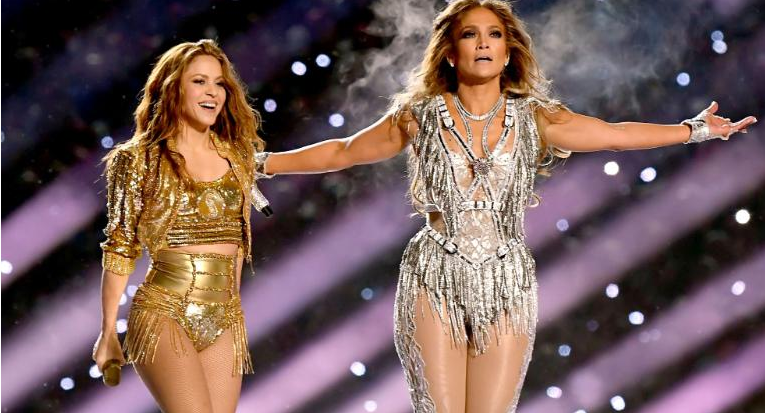
FRIDAY FEB 11: Jennifer Lopez posed the question, “Marry Me,” last night in 2,700 theaters.
And the answer from the movie going audience was “No.”
Total take: $525,000. Just $194 per theater. Lopez spends that much on eyeliner.
“Marry Me” is a rom com in which JLO plays herself, a big movie and music star, who falls for Owen Wilson, a regular guy. It’s “Notting Hill” repurposed.
Armie Hammer, who is much younger than Lopez, was originally hired to play her suitor. But then he became a Fine Young Cannibal, so Wilson replaced him. I’m advised that this is another movie, “Shotgun Wedding,” which sounds like the same movie. Hence the confusion.
There have been rumors that Wilson isn’t happy with the movie. On Rotten Tomatoes, the score is a lowly 60%. Many of the “fresh” tomatoes are attached to largely negative reviews. The reviewer for the moribund Parade magazine wrote: “Sure, it all feels very 2006 but in a way that’s not so much dated as refreshing, retro. ” That’s considered a positive review.
The weekend doesn’t look too promising for “Marry Me.” Stay tuned…
PS There’s a soundtrack album attached to “Marry Me.” The album is at number 30 on iTunes, the title track single at number 51.
Country star Morgan Wallen was dropped by all awards shows last year after it was revealed he casually dropped the “N Word” on a video. Wallen was dropped from talent agency WME in the wake of the scandal. CMT removed his videos, and both the Academy of Country Music and the CMA banned him from their awards shows.
Even his record label suspended him a for minute, but then reinstated him because the money was too good to pass his up. Wallen’s fans agreed, making “Dangerous: The Double Album” the best selling album of the year.
Now Jeff Bezos’s Amazon Prime and the Academy of Country Music have reinstated Wallen. Yesterday the country singer received several nominations from the new ACM Awards, which will be shown on Amazon Prime on March 7th from Las Vegas. The ACMs are produced by Dick Clark Productions, which also would have to sign off on Wallen’s return.
It’s notable that the ACMs were booted from CBS last year when they demanded an enormous amount of money in a new contract. CBS declined and the ACMs are now off of broadcast television. They’ll be shown on Amazon’s streaming service instead. It’s inconceivable that the ACMs would have allowed Wallen to be nominated four times including their Album of the Year if they didn’t expect him to be included in the Amazon show.
Since the scandal broke, Wallen has paid lip service to redeeming himself. But as reported this week, his concerts are still rife with large chunks of fans shouting polarizing things like “Let’s Go Brandon!” (which is code in the redneck world for “F— Joe Biden!”). Wallen has done nothing to calm the right wing element in his fan base. As for racism, the jury is out.
Racism isn’t Wallen’s only issue. He was dropped by Saturday Night Live in October 2020 after flouting COVID protocols. He was later rebooked but it’s unclear now what his status is– or whether the ACMs will care about that either.
Does Bezos really want the Wallen stench to overtake his other businesses? I would think not. So we’ll wait and see what happens next.
“The Music Man” revival that opened tonight at the Winter Garden is a crowd pleaser, a bright, lively blockbuster of a show with a Big Movie Star, Hugh Jackman, and a Big Broadway Star, Sutton Foster. The Jerry Zaks directed musical with phenomenal choreography by Warren Carlyle fills the enormous Winter Garden and gives a very intimate feel while at the same time expanding Meredith Wilson’s somewhat thin story until it fills the room.
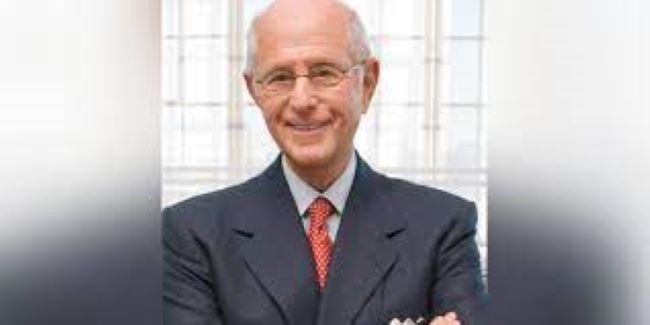
Barry Diller, media magnate, has become the default producer now that Scott Rudin has been ousted from the Broadway world. Rudin never attended his premieres, and if he did, there was a lot of tension. What a difference tonight. Diller roamed around in his blue velvet tuxedo jacket grinning from ear to ear and shaking hands. He knew he had a hit.
Diller also supplied a marching band, like the one the musical is famous for, in full regalia before the show on Broadway playing “76 Trombones.” There was festivity in the air and celebrities galore in the theater starting with Hugh Jackman’s beautiful wife, Deborra Lee Furness, dressed in couture black and white, sensational. Along the way I talked with Anne Hathaway, Seth Meyers. Mariska Hargitay and Peter Hermann, Cynthia Nixon, Rosanna Scotto, Donna Karan, Brenda Vaccaro, high fived with Brian Stokes Mitchell and I shook hands with the new mayor, Eric Adams, who was wearing a purple suit. Anna Wintour waited with a bunch of dowagers to use the main floor handicapped bathroom. Cindy Adams was on the press line talking up everyone. Rex Reed was in the house. Top media execs Ron Meyer and Sir Howard Stringer made the scene. It was like an old fashioned Broadway night.
Celebrity alert: Ryan Reynolds, Jackman’s “arch nemesis” on social media, arrived with director Shawn Levy. You know, Deadpool and Wolverine have a fictional rivalry. But Reynolds came to support hsi real life friend.
“The Music Man” was a smash hit 65 years ago, written — all of it– by Meredith Willson, starring Barbara Cook and Robert Preston, who went on to do the movie. Twenty years ago there was an excellent revival with Craig Bierko and Rebecca Luker as Professor Harold Hill and Marian “The Librarian” Paroo. Now it’s Hugh Jackman and Sutton Foster’s turn. They’re stars going in, but boy, do they elevate the whole enterprise. It doesn’t hurt that songs stand up eternally, culminating in “Til There Was You.” Willson only had one other musical to his name, “The Unsinkable Molly Brown.” But “Music Man” was his masterpiece. And remains so.
Jackman runs the show, it’s his show as Harold Hill. He’s deflated physically from playing Wolverine, probably from all the dancing, and the non stop action. He is what you look for in a Broadway leading man, full of charisma and optimism. He beams light from the stage. For me, though, it’s all about Sutton Foster. They’ve even created a big tap dance number at the end of the show just for her (Jackman joins her but it’s spotlight). When Sutton Foster grins you can see it from all over the theater. I was at the back of the orchestra but it was clear to see how much she was enjoying the show.
There’s a terrific supporting cast including Jefferson Mays, Shuler Hensley, Jayne Houdyshell, Marie Mullen and Remy Auberjonois, along with a 12 year old — I think 12 — Benjamin Pajak, who nearly steals the show.
What a glorious night in the theater. Tickets are ridiculously expensive, but by one in the balcony if you must, you’ll see and hear everything. And you’ll leave the theater floating on a cloud.
Francis Ford Coppola is the director of the best films of our lifetime, “The Godfather” and “The Godfather 2.” Fight me on this, I dare you;
Now Coppola will be celebrated Oscar weekend by The ICGPublicists (International Cinematographers Guild, IATSE Local 600) March 25th at the Beverly Hilton.
This is a big deal for the Guild, and I am so happy about it. Coppola’s influence on filmmaking since 1972 is monumental. It’s not only The Godfather movies, but “Apocalypse Now,” “The Conversation,” “Rumble Fish,” and “Peggy Sue Got Married,” among others. Coppola also took huge chances, as with “One from the Heart,” which was panned at the time but has been imitated over and over. It was ahead of its time.
Coppola is also a trailblazer with his Zoetrope Films, one of the first independent companies of the post 1970 era. He’s risked a lot to make films his own way.
“Francis Ford Coppola has impacted nearly every facet of motion picture storytelling–from script to direction, from craft to tech—and it’s our honor to celebrate him on the fiftieth anniversary of The Godfather’s release. With that masterpiece, as with his entire body of work, Coppola has continuously recharged American movies and changed popular culture in ways that have stood the test of time,” said John Lindley, ICG National President.
So many congrats! We’ll raise a glass to him on March 25th, maybe of his own wine!
Sting has joined the likes of other superstars like Bruce Springsteen, Bob Dylan and Paul Simon in the big Song Publishing Sweepstakes.
The erudite rocker has sold the rights to his songs to Universal Music in a deal worth $300 million. The deal covers all the Police hits like “Roxanne” and “Every Breath You Take” as well as his solo hits like “Fragile” and “Fields of Gold.”
Last year, “Every Breath You Take” became the most played song in the world, eclipsing even former record holders “Yesterday” and “You’ve Lost That Loving Feeling.” In a 2020 interview, Paul McCartney named “Fields of Gold” as the one song he wished he’d written.
Sting remains an active performer and huge draw in the touring world as well. He’s about to go on tour in Europe, followed by a residency in Las Vegas at Caesar’s Palace, and then a big summer tour. His new album, “The Bridge,” included in the deal, is as resonant with great new tunes as ever.
Sting says in a press release: “I am delighted to have Jody[Gerson] and the team at UMPG curate and manage my song catalog. It is absolutely essential to me that my career’s body of work have a home where it is valued and respected—not only to connect with longtime fans in new ways but also to introduce my songs to new audiences, musicians and generations. Throughout my career, I have enjoyed a long and successful relationship with UMG as my label partner, under the watchful guidance of Lucian [Grainge], so it felt natural to unite everything in one trusted home, as I return to the studio, ready for the next chapter.”
This letter was read into the Congressional Record yesterday. It’s from the children of deceased R&B stars regarding the failure of pop radio conglomerates to pay royalties to their parents’ estates, and to all performers who are not paid for their records being played on the radio.
Seventy or more years into the life of classic pop, rock, R&B, country music etc no performers are paid when their hits are played on the radio. The writers of the songs are paid publishing royalties. But the singers and musicians get nothing. Every “oldies” station you love is essentially taking advantage of all the people on those records, whether it’s Johnny Cash, the Motown stars, crooners like Sinatra and Tony Bennett, or heavy metal groups. No one.
The letter was sent to Rep. Jerry Nadler, head of the House Judiciary Committee, in support of the American Music Fairness Act. It’s signed by the relatives/children/rights holders/heirs to Nat King Cole, Natalie Cole, Issac Hayes, Clyde McPhatter, Dave Prater Jr. Billy Preston, Otis Redding, David Ruffin, Mary Wells, Jackie Wilson, Mary Wilson and niece of Bobby Womack together with John
Edwards, disabled former lead singer of The Spinners. As you’ll see in the letter, living artist Sam Moore of Sam & Dave and his wife, Joyce Moore, are offering to help in the compensation through their Soul Arts & Music Foundation.
The signers of the letter urge that it’s time to get this bill passed. It’s already 70 years late.
It’s untenable that whenasong is played on an AM/FM station, only the writer of the song is paid–notanyoneelse involved increatingthesound recordingsthey broadcastare compensated.Thislack ofpayment to the talent, thecreators is due toan oversightthat created “aloophole”thatCongress hasallowedto existsince the phonograph recording was invented together with amethod tobroadcastover theairwaves,the live performancesembedded on them 80or soyears ago.
The question of howor whythis“loophole” could havehappenedwas askeda few times during the hearingWednesday morning. Itcame to bebecause whoever first walked into a radio station with a recorded disc and asuitablemethod ofplaying it,made possible by the invention ofthe victrola,making it possible tobe heardwith sufficient quality to be transmittedover the airwaves, neglected or just didn’t know that theyneeded tocome to Congress first.The copyrightlawsneeded to have been amendedthento include, toembrace“The Creators”,the artists, musicians, backing vocalists, producer(s) and engineer(s)with broadcastperformances compensation.Up until that time, radio stations would bring the big bands,TheGlenn Miller‘s, ThePaulWhitemanOrchestra, FredWaringand the Pennsylvanians, Ella Fitzgerald, The Andrew Sisters, Count Basie and DukeEllington to name a fewinto theircavernous radio studios to perform“liveon the air”fromtheir studio(s). All the talent werepaidfor those one– offbroadcastperformances.It should be notedthat at that time,the stationscould notpre–record or recordperformancestorebroadcastthembecause the technologyhad not yet beensatisfactory to do so.
2 Having thisknowledgeshouldmakeit easyto understandhow the recorded disc suddenlyand immediatelychanged the landscapeandhowand whythe artists suddenly became dispensable. When you couplethat with the failure to come to Congress and that for decades and decades local radio was the media that everyCongressional member had to rely on to get their message outto their constituents,especiallyduring election andreelection time.That createdquite a serious negotiating tool in the hands oftheradio stationowner–members of the NABavailable to usefor decades.To be blunt, it’sbeen pretty easyforthe NAB to block andrefuseto cooperate with making anymodifications tothe Copyright Acttocorrecttheunfair exploitation by the station ownersof the artist groupoverall thesedecades.
“The Loophole”and the leveragehas been up until nowimpenetrable.
It’s no secret that the AM and FM(Terrestrial Radio Stations),now primarily owned by large corporations,earnbillionsof dollars fromtheadvertising revenuesbroadcasting the live recordedperformances of ourrelatives,that werecapturedwhen they stoodlive,in front of a microphonein a studioto create thosesoundrecordings. It’s incomprehensible thatnot one broadcast ofthoselive captured performancesof our parents, siblings and relativesorfor that matteranyand all of theotherartistwho everrecordedtheir live performances on sound recordings havenever beencompensated for thosebroadcast performances.
The American Music Fairness Act wouldfinallyrequiretheTerrestrial RadioStations to compensateallAmericanartistsfor theirperformances, their talent, theiressence, theirsouls embodied on the sound recordings.The passage would alsoopen the doors soall recording artists,regardless of their country of originwould be compensated and in so doing opens the floodgates to the millions and millions and millions of dollars the American recording artists have been unable to collect all of these years because there has been no reciprocity.The overseas compensationshouldbeliterally life–changing for so many artists and their families.
AM/FMradio stations arethe only media that doesnot compensate artists for their musical performances.AM/FMradioisthe only industry group that feels it can take intellectual property created by others and simply use it for their personal pecuniary gain withoutpermissionor compensatingthecreators. Itisdecadeslong overdue fortheTerrestrial Radio Stationstostop their practice ofusingthe artists talents like theirpropertyreminiscent of their beingtheir indentured servants, lacking in rights and respect. Let usalsobe clear, we aremore than mildlyalarmed anddisappointed thatmany ofyou have co–sponsoredor signed on in support ofthe NAB’sLRFA. Our opposition to LRFA is based on several reasonsbecause their resolution andbill reinforces the continued practice ofusing ourfamily members andtheir peers,byexploiting,without compensation,allAmerican recording artists. Quite frankly,it makes it more offensiveto usthat youwouldcontinue toallowtheuseofthe talents of ourparents and other family members,all of whom are blacklegacy recordingartist.
3 Forus,to hearthe NAB claim thatpassage of a bill that finally would compensatehundreds if not thousands ofblackartistswould somehow put smallminority ownedradio stationsthat couldn’t afford $500 a yearout of business,therebydevastatinglow incomecommunitieswhere black and Latino resideis intolerable.
Congressman Darrell Issa,during the hearing,made it very clear that Sam Moore and his wife Joyce,through the501(c)(3)charitable foundation,TheSoul Arts And Music Foundation, would pay for any of those $10, $100 or $500onlyannual fees of the designatedsmallor smalllocal neighborhood FCC licensedradio stationsthat earn not more than$1,500,000annually or less. Any of those specificdesignated stationsthat could notpay some or all of those$10, $100 or $500amountscan be coveredthroughan applicationthrougha hardshipgrantsprogram that wouldbeimmediatelyimplemented at the Foundation.Sam and Joyce Moore have indicated that,if it’s necessary that commitment could be written into the actual bill language for a period of the first two years forward ofthepassageof the American Music Fairness Actwith an annual re–evaluation by The Foundation to continue the program.They believe that a two–year assistance programwindowshould be more than sufficient incentive to the radio stations.
It feels like wehave to remind everyonethatall ofour parentsand our relativesand most of their peersbegan their careers during the height of segregation andTheJim CrowErawhich represented a time in our country where treating blacks as second–class people without any of the rights they were to be endowed with as Americans because in those days segregationwas unfortunatelythe norminsociety.While those policiesthanks toDr. Martin Luther King, Jr., (himself avocal performingrecordingartist whose estatehasalsonever been compensated for the broadcastsof hisrecordedspeeches),do not existanymoreexceptperhaps i wherethelast vestige of itseemsalive and wellinreality andthe mentality ofTerrestrial Radio.
Ourmoms and dadsfaced incredible discriminatory barriers,yet,they persevered,produced an amazing body of creative musicalartistry that remains cherished to this day by all Americans and the world. Sadly,aworld thatcollects but does not pay over thecompensationthey collect thatis not distributedto our familiesbecause there is no reciprocity,because of “the loophole”. Congress hasfailed for decades to correct the wrong bynever passinga broadcast performance right for the broadcast of our parents liveperformancesthat were capturedon tape and turned into sound recordings.
It wasn’t made clear enough during the hearingor above in this letter,that the monies,the hundreds of millions of dollars collected annually in the name of every single American recording artist,including our parents,around the rest of the worldandcapturedon acountry–by– countrycollection society basis,eventually gets reinvested into thoseindividualcountries’arts and cultural programs. In otherwords,ourparents,all of their peers and every American recording artist isactuallypaying tofoster and support The Artsincluding educating thechildren of those countriesabout their culturalhistory.
On the other side of thatcoin,manyof us have lived hard. An example Stacy Womack Henderson’s little sisterSugarwasfour(4)years old whentheirmom, Mary Wells passed away in 1991.Stacy, in her early 20’stookcustody ofSugar. At the time, Stacy was livinginaone–